

Hemp extracts have become increasingly popular in recent years, with the market growing at a rapid pace. In order to create these extracts, hemp needs to go through a process of extraction. There are several standard unique methods of hemp extraction, including alcohol, butane, CO2, cold water, and ethanol, each of which has its own benefits and purposes. In this article, we will look into these methods, how they work, and their benefits.
- Bigger Cannabinoid Purity
- Accurate Dosing
- More Stronger and Longer-Lasting Concentrates
Hemp extracts have several benefits, including bigger terpene purity, accurate dosing, and stronger and longer-lasting concentrates. These benefits make hemp extracts popular among medical patients and recreational users alike.
Butane Resin Extraction
Butane hydrocarbon (BHO) extraction is a widely researched and used method of extraction. The exact extraction process involves spraying butane on hemp, which is placed in a container.  Butane and the main oils are collected in another container. Then, the butane must be evaporated in a closed loop system and a vacuum oven to remove all butane content. Although BHO extraction is hazardous due to the flammability of butane, closed-loop systems have made the process much safer. The terpene part of the BHO extraction method remains around 60-70%.
Supercritical CO2 Extraction
CO2 extractions are non-toxic and eco-friendly methods of separating terpenes from the whole hemp plant. The extraction method leaves no traces of toxins behind and is additionally fully used in the following industries:
- Beer
- Coffee
- Fruit extracts
- Tea
The exact extraction process involves heating supercritical CO2 and passing it through finely milled hemp flowers. The liquid part then passes through a separator, which removes CO2 gas from the mixture. The gas is then pushed through a condenser, which allows the gas to liquefy again and be recycled for future extractions. CO2 extraction is an excellent method for making waxes and oils after winterization, but it requires a precise build.
Ethanol Extraction
 Hemp producers often use ethanol extraction systems. It is a safe, cheaper, and fast extraction process. Ethanol is considered “generally safe” by the Food and Drug Administration in the United States. In ethanol extraction, the hemp plant is soaked in ethanol to extract the terpenes. The product then goes through a distillation refining process, which intensifies the concentration of the oil. Ethanol extracts desired compounds from the plant and produces one of the purest concentrates available.
Water Extraction
Water extraction is a solvent-free process of extraction that involves immersing the whole hemp plant in freezing water. The plant is then stirred, causing the trichomes to separate from the main plant. The trichomes are then passed through screens, and the end product has terpenes levels of 51% to 71%.
Isopropyl Oil Extraction
Isopropyl alcohol is used for this extraction method. Dried hemp flowers are submerged in alcohol and then shaken gently. Isopropyl dissolves the oils from the plant. The mixture is drained into a dish, and then the solvent is removed using a rotary evaporator and a vacuum oven. The remaining substance is a terpene-rich oil.
R134a Aerosol Extraction: A Better, Safer, and Cheaper Alternative to Traditional Hemp Extraction Methods
When it comes to extracting hemp oil, traditional methods often require extreme temperatures and pressures that can damage the final product and remove some of its natural benefits. However, with the introduction of R134a aerosol extraction, Pure5™ has revolutionized the industry by providing a safer, cheaper, and more effective method of extraction.
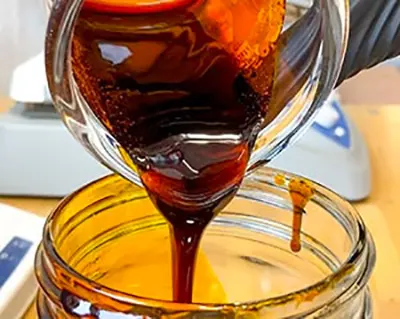 Unlike traditional methods, R134a aerosol extraction doesn’t require high pressures or temperatures that can harm the final oils and eliminate some of the good natural ingredients of the hemp plant. Instead, Pure5™‘s proprietary method allows for the full spectrum resin to be extracted at room temperature using a closed-loop system. This process is able to separate the natural oils from the raw hemp material while retaining all of the terpenes, delivering full medical value in the final product.
Compared to other extraction methods like CO2 and ethanol, R134a aerosol extraction is much safer and cheaper. The tetrafluoroethane gas used in R134a aerosol extraction is only slightly pressurized, and is easily separated from the plant material in a separate tank, leaving behind only the full spectrum hemp oil. Additionally, the R134a extraction process has been approved by both the FDA and the European Union, and qualified as GRAS (Generally Recognized As Safe), ensuring that it is safe for human consumption.
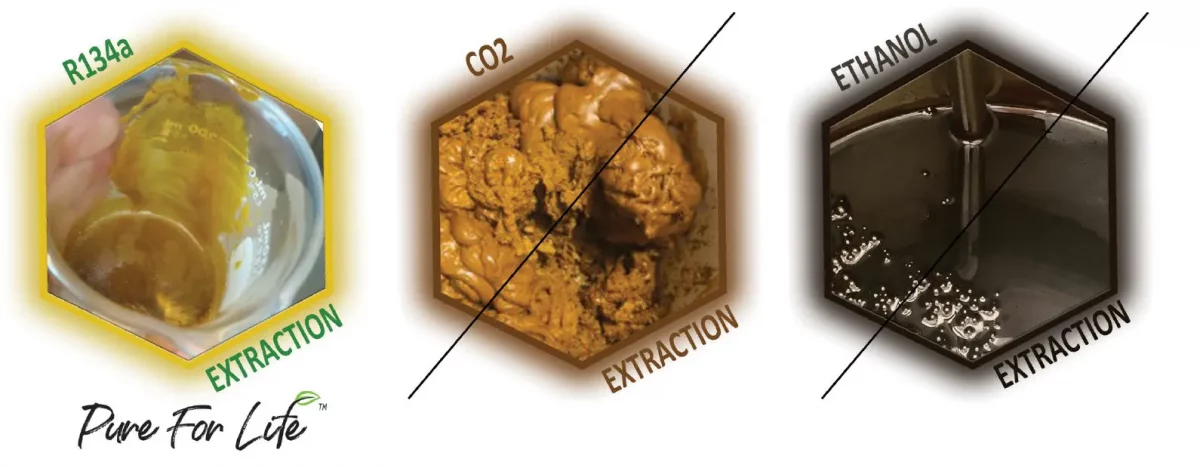 Pure5™‘s R134a aerosol extraction method is not only safer and more effective, but also more cost-efficient. This method is the cheapest on the market, making it an ideal choice for those looking to produce high-quality hemp oil at a lower cost. By choosing Pure5™‘s equipment, you can rest assured that you are using the safest, most natural, and most affordable method of extraction available.
In Conclusion
The introduction of R134a aerosol extraction has revolutionized the hemp extraction industry, providing a better, safer, and cheaper alternative to traditional methods. With Pure5™‘s proprietary method, you can produce high-quality hemp oil with full medical value, while avoiding the risks associated with traditional extraction methods. If you want to learn more about Pure5™ and its R134a aerosol extraction method, visit our website today


